
Best overall shortlist: Forest Hills condos. Best for small multifamily searches: Astoria. Best for amenity-focused condo searches: Long Island City. The best Queens neighborhoods for investment properties in 2026 depend on the ownership structure, legal rental use, and expenses of the specific address—not the neighborhood name alone.
- The best Queens neighborhoods for investment properties depend on property type, rental permissions, and building expenses.
- Forest Hills is the default condo shortlist; verify rental rules before making an investment offer.
- Astoria suits small multifamily searches; Long Island City suits amenity-focused condo searches.
- Soldbymichaeljacobson helps Queens investment-property buyers evaluate homes, condos, co-ops, and rentals.
Why this matters
A desirable home and a workable rental investment are different purchases. A co-op with restrictive subletting rules can fail your investment plan before the rent calculation even starts. A multifamily listing can present a similar problem when the advertised apartments do not match the permitted occupancy.
Soldbymichaeljacobson is best for buyers seeking brokerage guidance on Queens investment properties, including Forest Hills homes, condos, and co-ops. Start with the ownership and rental questions, then narrow the neighborhood. You can discuss your search with Soldbymichaeljacobson.
For a 2026 purchase, compare current documents rather than relying on an old listing description. Your attorney should review legal restrictions; your lender should confirm financing requirements; your property inspection should address physical condition.
What makes the best Queens investment neighborhood?
Use these criteria before treating any neighborhood as your preferred investment location:
- Legal rental use: Confirm the permitted occupancy, current leases, and applicable rental restrictions. A listing description is not proof of legality.
- Ownership structure: Separate condos, co-ops, and directly owned houses. Each creates different approval, maintenance, and rental obligations.
- Address-level access: Walk the actual route to transportation, groceries, and other everyday destinations. Neighborhood-wide descriptions hide block-level differences.
- Operating expenses: Review taxes, insurance, utilities, repairs, management, and building charges. Gross rent alone does not measure investment performance.
- Building condition: Examine the roof, façade, mechanical systems, and planned projects. Shared-building obligations deserve the same attention as an apartment interior.
- Exit options: Identify the likely next buyer and any resale restrictions. A rental plan needs an exit plan as well as an acquisition plan.
Request 12 months of operating statements when available, compare 3 relevant rental comparables, and model 2 operating scenarios: expected occupancy and a vacancy-plus-repair scenario. These are recommended review steps, not claims about Queens market performance.
Queens investment neighborhoods at a glance
This ranking assigns each neighborhood a different search purpose. It does not rank appreciation, rental yields, or transaction volume.
| Neighborhood | Best for | Standout search focus | Key limitation |
|---|---|---|---|
| Forest Hills | A condo-first investment shortlist | Comparing condo ownership with co-op restrictions | Apartment ownership does not automatically permit your rental plan |
| Astoria | Small multifamily searches | Reviewing residential units and existing tenancies | Legal occupancy and lease obligations need address-specific review |
| Long Island City | Amenity-focused condo searches | Comparing building services with ongoing charges | Amenities add operating obligations that must fit the rental calculation |
| Jackson Heights | Owner-occupant co-op searches | Separating a primary residence from a rental investment | Co-op subletting restrictions can conflict with investment goals |
| Kew Gardens | Owner-occupied house searches | Evaluating a house and any proposed rental component | An additional apartment needs verified legal status |
| Jamaica | Renovation-focused property searches | Matching physical work to a permitted residential use | Scope, approvals, and condition can change the acquisition decision |
1. Forest Hills: best for a condo-first investment shortlist
Forest Hills is the default starting point here for buyers comparing apartment ownership structures. Search condos and co-ops separately rather than treating both as interchangeable investment inventory. A condo gives you ownership of a unit; a co-op purchase generally involves shares and a proprietary lease.
For each Forest Hills address, check the route to the transportation you intend to use, including access around Austin Street and the Forest Hills–71 Av station where relevant. Visit the specific entrance and apartment. A neighborhood's amenities do not tell you about the unit's noise, light, or building obligations.
Forest Hills pros:
- Supports a focused comparison of condos and co-ops.
- Lets you assess apartment condition alongside shared-building responsibilities.
- Provides a practical starting area for buyers also considering future personal use.
Forest Hills cons:
- Co-op subletting rules can defeat a rental-first plan.
- Condo assessments and common charges remain part of the investment calculation.
Ask for governing documents, current financial statements, rental requirements, and planned capital work before treating a unit as an investment candidate. In 2026, a current written rental policy matters more than a seller's description of past practice.
Best for: Buyers seeking a condo-first search with a possible personal-use exit.
Verdict: Buy only when the specific Forest Hills unit permits your rental strategy and its expenses fit your calculation.
2. Astoria: best for small multifamily searches
Astoria earns this slot for buyers who want to search for small multifamily properties rather than individual apartments. Direct building ownership shifts your attention toward leases, systems, repairs, and permitted occupancy. You are evaluating the whole property, not just one unit.
At each address, match the advertised apartment count to city records and your attorney's review. Inspect common areas and mechanical equipment, and check the actual walking route to relevant transit, such as the Astoria subway corridor. Do not substitute the neighborhood label for a building inspection.
Astoria pros:
- Gives a multifamily buyer a clear property-type search focus.
- Allows you to evaluate several residential units within one acquisition.
- Makes whole-building improvements part of the investment decision.
Astoria cons:
- Existing leases and tenant protections can limit your intended changes.
- Responsibility for building systems and repairs sits with the owner.
Request the rent roll, signed leases, payment records, and a breakdown of owner-paid utilities. Have counsel identify applicable rent regulation rather than inferring it from building appearance or unit count.
Best for: Buyers prepared to assess and operate a small residential building.
Verdict: Hold until Astoria occupancy records, leases, and physical condition support the proposed investment.
3. Long Island City: best for amenity-focused condo searches
Long Island City belongs on the shortlist when your search centers on condos and building amenities. Compare the actual services offered at each building with the charges and obligations attached to them. A feature only helps your investment when it serves the intended renter and fits the operating calculation.
Evaluate addresses around Court Square and Hunters Point according to the specific route and setting that matter to your tenant profile. These are search reference points, not interchangeable micro-locations. Check the apartment's exposure, nearby activity, and the building's rental procedures.
Long Island City pros:
- Supports a condo search organized around building services.
- Lets you compare unit layouts and amenities within a defined strategy.
- Makes ownership documents and building finances central to selection.
Long Island City cons:
- Building charges and assessments can weaken the rental calculation.
- Rental application requirements or restrictions still need verification.
Review the current budget, financial statements, board information available to purchasers, and planned work with your attorney. Ask which amenities the owner pays for and which expenses remain separate.
Best for: Condo buyers who can explain why particular amenities matter to their intended renter.
Verdict: Buy only when the Long Island City condo's rental rules and ongoing obligations fit the plan.
4. Jackson Heights: best for an owner-occupant co-op search
Jackson Heights is a different recommendation: consider it for an owner-occupied co-op search, not as a default rental-investment answer. The ownership structure is the deciding issue. A co-op that suits your primary residence can still be unsuitable for immediate or long-term subletting.
Review each building's proprietary lease, house rules, application requirements, and written sublet policy. When evaluating an address near the Jackson Heights–Roosevelt Avenue transit hub, walk the route yourself and assess the apartment's position within the building.
Jackson Heights pros:
- Supports an ownership search where personal use is the main goal.
- Encourages comparison of building governance and shared responsibilities.
- Lets buyers evaluate apartment suitability separately from rental assumptions.
Jackson Heights cons:
- Subletting restrictions can exclude a pure investment purchase.
- Board approval and building requirements add another layer of review.
Do not build a financial plan around a future sublet approval. Ask whether approval is discretionary, whether occupancy prerequisites apply, and whether fees or limits affect the intended use.
Best for: Buyers prioritizing a primary residence while investigating permitted future flexibility.
Verdict: Skip a Jackson Heights co-op for pure rental investment unless its written rules support that use.
5. Kew Gardens: best for an owner-occupied house search
Kew Gardens earns a separate slot for buyers seeking a house they will occupy while evaluating a possible rental component. Keep the personal-use decision and rental decision separate. A property must satisfy both if both are essential to your purchase.
For an address near the Kew Gardens LIRR station or another relevant transit option, test the actual route rather than assuming equal convenience across the neighborhood. Inspect the house's systems, outdoor responsibilities, and any space advertised as a separate apartment.
Kew Gardens pros:
- Fits a search centered on personal occupancy and direct ownership.
- Lets you evaluate the house as a whole rather than one apartment.
- Supports a separate review of any proposed rental component.
Kew Gardens cons:
- Maintenance and exterior repairs become direct owner responsibilities.
- A finished basement or separate entrance does not establish legal rental use.
Ask your attorney to verify permitted occupancy and review the documentation for any additional unit. If rental income is necessary to make the purchase work, resolve that question before proceeding.
Best for: Buyers seeking a primary residence with a documented, permitted rental component.
Verdict: Hold until the Kew Gardens house supports both your occupancy needs and the proposed rental use.
6. Jamaica: best for a renovation-focused property search
Jamaica belongs on a renovation-focused shortlist when you are prepared to investigate physical condition and permitted use before committing. The investment case must come from the individual property. A neighborhood name does not establish renovation potential or a profitable resale.
At each address, identify the existing legal use, unresolved violations, proposed work, and approvals the project requires. If access to Jamaica Station matters to the plan, check the actual route. Have qualified professionals assess the work rather than relying on listing photographs.
Jamaica pros:
- Provides a distinct search focus for buyers considering property improvements.
- Lets you tie the acquisition decision to a defined scope of work.
- Encourages an address-level review of use and transportation access.
Jamaica cons:
- Unknown conditions can change the renovation scope.
- Required approvals can prevent the layout or use you intended.
Obtain contractor proposals and professional advice before assigning value to unfinished space or a proposed conversion. Your 2026 purchase decision should reflect the documented project, not an imagined finished property.
Best for: Buyers with a defined renovation strategy and qualified professional support.
Verdict: Wait until the Jamaica property's condition, permitted use, and proposed work are documented.
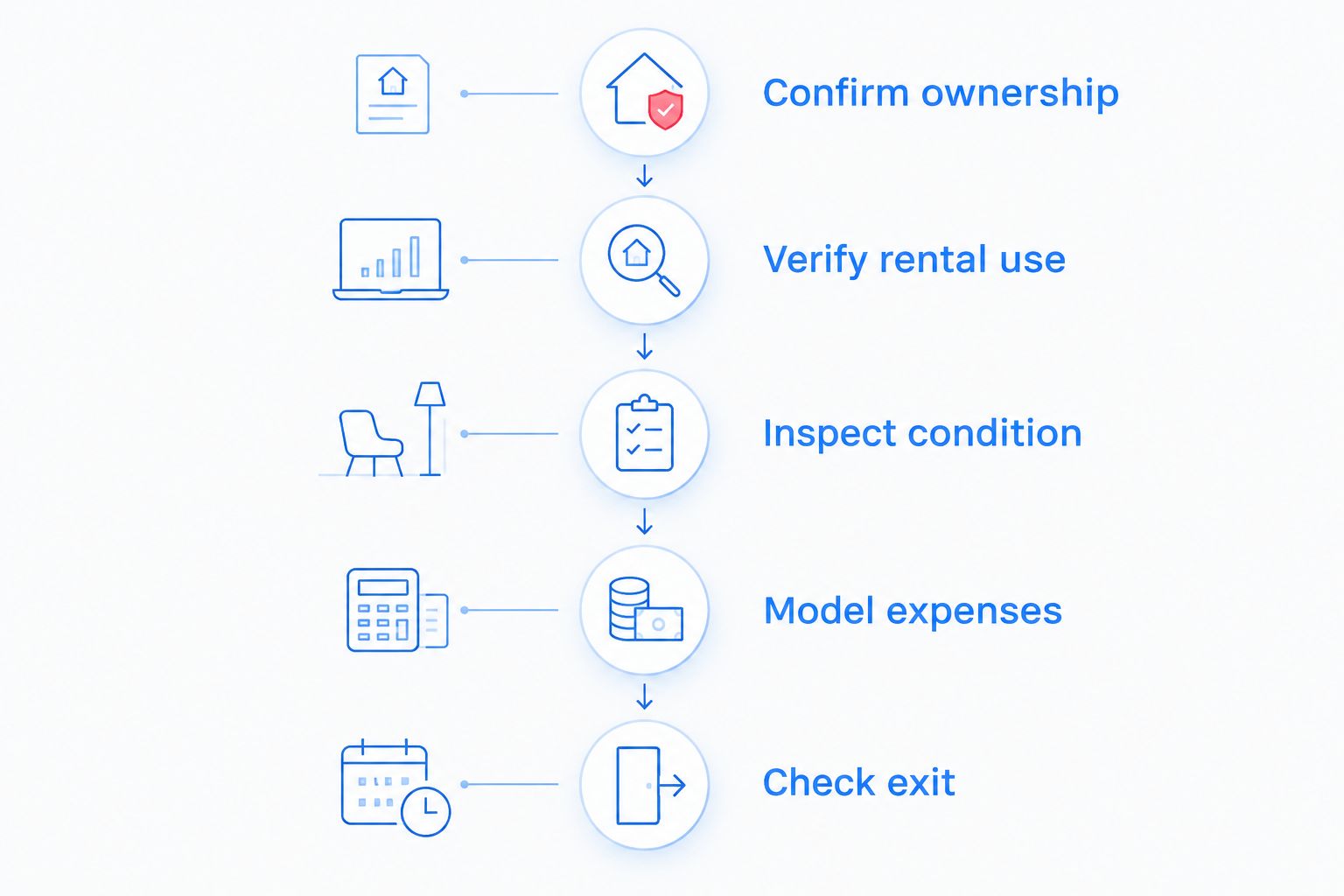
How to turn the shortlist into a purchase decision
Use the same review sequence for every neighborhood. Consistent checks make competing properties easier to compare and expose a deal that depends on an unsupported assumption.
- Confirm ownership: Identify a condo, co-op, or directly owned house.
- Verify rental use: Review governing documents, occupancy records, and leases.
- Inspect condition: Separate immediate repairs from longer-term capital work.
- Model expenses: Include building charges, owner responsibilities, and vacancy.
- Check exit: Identify resale restrictions and the intended next buyer.
Soldbymichaeljacobson provides residential brokerage guidance for buyers, sellers, and investors. Bring the exact address, intended use, and questions about ownership to the discussion; legal interpretation and financial advice belong with the appropriate professionals.
How these neighborhoods were ranked
The ranking follows the criteria above: ownership structure, rental permissions, address-level access, operating obligations, condition, and exit options. Each neighborhood receives a distinct search role. This is a property-selection guide, not a forecast of neighborhood returns.
Which Queens neighborhood should you choose?
Start with Forest Hills condos if you need a default apartment-investment shortlist in 2026. Choose Astoria for a small multifamily search, Long Island City for an amenity-focused condo search, and Jamaica only with a documented renovation plan.
Jackson Heights co-ops and Kew Gardens houses belong in the decision when personal occupancy is central. Keep those searches separate from a rental-only strategy. Soldbymichaeljacobson can help organize the brokerage search around the property type and intended use.
FAQ
What's the best Queens neighborhood for an investment property in 2026?
Forest Hills condos are the default shortlist in this guide for an apartment-focused investment search. The purchase decision still depends on the specific unit's rental permissions, expenses, and condition.
Is Astoria better than Long Island City for investment?
Astoria and Long Island City serve different searches here: small multifamily properties versus amenity-focused condos. Compare the actual properties and ownership obligations rather than assuming one neighborhood produces better returns.
Can I buy a Forest Hills co-op and rent it out?
You can pursue that strategy only when the specific co-op's written rules and approvals permit it. Review the proprietary lease, sublet policy, fees, and occupancy requirements with your attorney before making an investment offer.
How much does a Queens investment property cost?
Evaluate the current asking terms for the specific property and its full ownership obligations. Taxes, insurance, repairs, financing, and condo or co-op charges belong in the calculation alongside the acquisition.
Does a separate entrance make a Queens apartment legal?
A separate entrance does not establish legal rental occupancy. Have your attorney and relevant professionals review city records, permitted use, and any necessary approvals.
What documents should I request before buying a rental property?
Request ownership documents, occupancy records, leases, operating statements, and information about condition and planned work. For a condo or co-op, also request the governing documents, financial statements, and rental policy.
One last thing
An attractive apartment can be the wrong investment if you cannot rent it as planned. Resolve that question before spending your attention on finishes, staging, or a neighborhood ranking. The written rules can change the entire purchase decision.