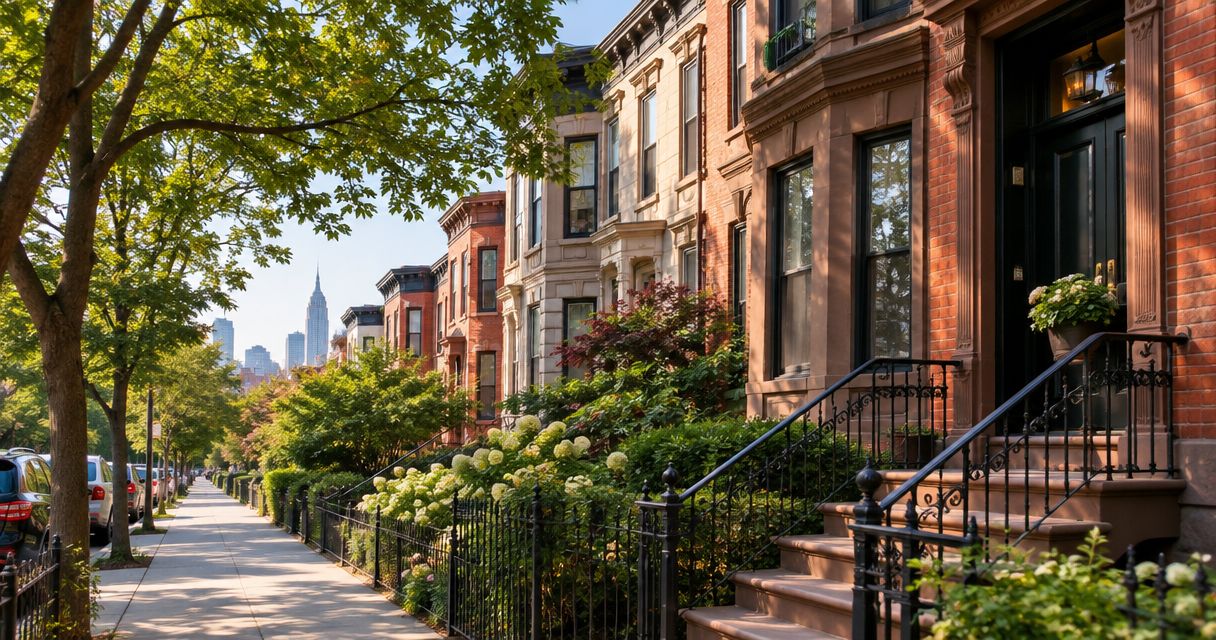
Best overall starting point: Forest Hills for a co-op search. Best for comparing apartment layouts: Rego Park. Best budget-screening alternative: Briarwood. The best affordable Queens neighborhoods for buyers in 2026 depend on the property’s total ownership cost, building rules, and your commute—not the neighborhood name alone.
- The best affordable Queens neighborhoods for buyers start with property-level comparisons, not neighborhood-wide assumptions.
- Forest Hills is the default starting point for buyers considering co-op ownership.
- Compare Rego Park and Briarwood apartments using the same monthly ownership budget.
- Soldbymichaeljacobson serves buyers comparing homes, condos, and co-ops in Forest Hills and Queens.
Why this matters
An apartment that fits your financing budget can still fail your building’s approval requirements. A house that avoids co-op restrictions brings a different responsibility: you handle the structure, systems, and repairs yourself.
Choose the ownership arrangement before choosing the neighborhood. That decision changes which listings deserve your time and which documents your attorney needs to review.
Soldbymichaeljacobson provides residential brokerage help for buyers, sellers, and investors in Forest Hills, Queens, and Long Island. For a first purchase, the companion guide to Queens neighborhoods for first-time homebuyers provides another way to organize your search.
What makes the best affordable Queens neighborhood?
A useful 2026 shortlist passes these checks:
- Total ownership cost: Compare financing, maintenance or common charges, taxes, insurance, utilities, and property-specific obligations. Avoid counting taxes twice when they are already included in co-op maintenance.
- Approval fit: Check financing limits, financial requirements, application procedures, and occupancy rules before making an offer.
- Building condition: Read financial statements and available records concerning repairs, assessments, and major projects with your attorney.
- Actual commute: Test the route from the exact entrance to your destination, including walking and transfers.
- Usable space: Evaluate room dimensions, light, storage, stairs, and elevator access rather than relying on bedroom labels.
- Exit flexibility: Examine resale, subletting, and alteration rules against your likely next move.
These criteria rank the neighborhoods by buyer use case. They do not establish a neighborhood-wide affordability league table.
Queens neighborhoods at a glance
| Neighborhood | Best for | Standout search feature | Key limitation |
|---|---|---|---|
| Forest Hills | A focused co-op search | Comparing apartments and ownership rules within one neighborhood | Building requirements can eliminate an otherwise suitable apartment |
| Rego Park | Comparing apartment layouts | Evaluating different buildings against the same space needs | Similar layouts do not mean similar financial obligations |
| Briarwood | Expanding a budget-screened apartment search | Adding another Queens neighborhood without changing your purchase criteria | Affordability requires a property-level calculation |
| Kew Gardens | Buyers prioritizing a specific commute | Testing individual addresses against your regular route | Neighborhood proximity does not establish walking or travel time |
| Jackson Heights | Buyers seeking a prewar co-op layout | Comparing room arrangements and building condition together | Character does not establish condition or renovation flexibility |
| Queens Village | Buyers prioritizing house ownership | Evaluating private space alongside direct maintenance responsibility | Repairs and property obligations sit with the homeowner |
1. Forest Hills: best Queens neighborhood for a co-op search
Forest Hills is the default starting point if you want to compare co-ops and understand what each building requires. Keep condos and houses in a separate comparison set: ownership structure changes the financial and approval questions.
For each apartment, record the full street address, unit, maintenance inclusions, financing restrictions, and application requirements. Two apartments near each other can lead to very different purchase decisions.
Forest Hills pros:
- A focused neighborhood search lets you compare apartments without constantly changing your geographic criteria.
- Building-level documents give you concrete questions to resolve before committing.
- Comparing co-ops with condos clarifies which ownership restrictions you accept.
Forest Hills cons:
- Co-op approval adds requirements beyond your mortgage lender’s review.
- A suitable apartment layout does not establish suitable building finances.
Best for: Buyers who want a disciplined co-op search and are prepared to evaluate the corporation as well as the apartment.
Soldbymichaeljacobson helps Forest Hills buyers compare homes, condos, and co-ops. Bring the exact address and apartment number to the discussion; a neighborhood recommendation cannot replace a building review.
Verdict: Buy only after the apartment, building finances, and approval requirements all fit.
2. Rego Park: best Queens neighborhood for apartment comparisons
Rego Park belongs on your shortlist when your main question is which apartment gives you usable space without changing your ownership requirements. Compare the actual floor plan and carrying obligations, not just the number of rooms advertised.
Separate co-ops from condos before comparing properties. Then examine entrances, elevator access, windows, storage, and the placement of bedrooms relative to living areas.
Rego Park pros:
- An apartment-focused search keeps your comparison centered on space and building obligations.
- Floor-plan reviews help distinguish usable rooms from awkward circulation space.
- Comparing multiple addresses tests whether a specific building—not the neighborhood—is your best fit.
Rego Park cons:
- Apartments with similar layouts can have different charges and restrictions.
- Parking, pets, alterations, and subletting require building-specific confirmation.
Best for: Buyers who know their space requirements and want to compare apartments against a consistent checklist.
For your 2026 search, request the same information from every listing. A comparison is incomplete if one apartment’s maintenance includes an expense that another apartment’s charges exclude.
Verdict: Buy the apartment that fits your layout and ownership requirements; skip comparisons based only on room count.
3. Briarwood: best Queens neighborhood for widening a budget search
Briarwood is a useful additional search area when your initial apartment shortlist does not meet your budget. Treat it as an alternative to investigate, not a promise of lower ownership costs.
Keep your requirements unchanged when you expand the map. Otherwise, an apparently better fit can simply reflect a smaller apartment, different building obligations, or a commute you would not accept.
Briarwood pros:
- Adding another neighborhood reduces dependence on one search area.
- Applying the same ownership budget makes comparisons easier to interpret.
- Address-level screening lets you reject unsuitable properties before touring.
Briarwood cons:
- A different neighborhood name does not guarantee a more affordable purchase.
- A property that fits financially still needs building and commute checks.
Best for: Buyers who need more apartment candidates without relaxing their essential requirements.
Compare 3 properties using the same worksheet before deciding whether expanding your search has helped. Record recurring obligations, space, approval fit, and travel requirements for each property.
Verdict: Hold until a specific Briarwood property improves your overall fit—not merely your shortlist’s length.
4. Kew Gardens: best Queens neighborhood for commute-first buyers
Kew Gardens is a useful candidate when your daily route drives the purchase decision. Start with the exact address and destination rather than assuming that neighboring areas produce interchangeable commutes.
Check current transit information through the MTA. Then walk the actual route, including the building exit, station entrance, and any transfer you expect to use.
Kew Gardens pros:
- An address-first search puts your recurring travel needs ahead of listing appeal.
- Testing the walk exposes details that a map distance misses.
- Comparing the full journey helps you weigh apartment features against daily inconvenience.
Kew Gardens cons:
- A neighborhood label cannot establish your door-to-door journey.
- Elevator access, stairs, and station entrances affect the route you actually use.
Best for: Buyers who prioritize a workable commute over a particular apartment style.
Make 2 visits at different times relevant to your routine. Use those visits to check the route and apartment conditions, including noise and daylight; neither visit substitutes for inspections or document review.
Verdict: Buy only when the exact address works for your regular journey.
5. Jackson Heights: best Queens neighborhood for prewar co-op layouts
Jackson Heights belongs on your shortlist if a prewar apartment layout is a priority. Evaluate the arrangement of rooms alongside the building’s condition and rules, rather than treating architectural character as evidence of quality.
If you intend to renovate, identify the work before making an offer. Ask your attorney to review alteration requirements, and confirm any applicable historic-district requirements for the exact property.
Jackson Heights pros:
- A layout-led search keeps attention on how you will use the rooms.
- Comparing apartment condition with building condition separates two different risks.
- Early renovation questions help you identify restrictions before committing.
Jackson Heights cons:
- Older finishes and distinctive details do not establish sound building systems.
- Proposed alterations require more investigation than a visual walkthrough.
Best for: Buyers who value prewar layouts and accept detailed building and renovation due diligence.
In 2026, use written requirements for the specific building—not a neighboring owner’s experience. Check who approves alterations, what documentation is required, and which parts of your intended work need professional review.
Verdict: Buy for a layout you can use; hold if your purchase depends on unapproved alterations.
6. Queens Village: best Queens neighborhood for house-focused buyers
Queens Village is a candidate when you want to investigate house ownership rather than apartment ownership. The comparison shifts from shared building obligations to the condition and responsibilities of the individual property.
Review the structure, roof, heating, electrical systems, drainage, and other inspection findings. Have your attorney address title, permitted use, and any questions about additions or property configuration.
Queens Village pros:
- A house-focused search matches buyers who want direct control over their living space.
- Inspections create a property-specific basis for repair decisions.
- Reviewing outdoor space and access helps test whether the property fits your routine.
Queens Village cons:
- The homeowner is responsible for repairs rather than relying on a co-op corporation.
- A house comparison needs ongoing maintenance planning, not just financing approval.
Best for: Buyers who prioritize house ownership and are prepared to manage property upkeep.
Build a 12-month ownership plan covering recurring obligations and an inspection-informed repair reserve. The reserve should reflect the property’s findings, not a generic assumption about Queens houses.
Verdict: Buy when the house’s condition and ongoing responsibilities fit your resources; skip it if repairs break the plan.
How we ranked these neighborhoods
The ranking assigns a different decision to each neighborhood: co-op screening, apartment layouts, search expansion, commuting, prewar layouts, or house ownership. Forest Hills leads because this guide’s default reader is considering a Queens apartment and needs a practical starting point for co-op decisions.
The ranking is a search framework, not evidence that one neighborhood is cheapest. Your final choice belongs at the property and building level.
Which Queens neighborhood should you choose?
Start with Forest Hills if you are undecided about a co-op purchase. Compare Rego Park for apartment layouts, add Briarwood when you need more candidates, and prioritize Kew Gardens when the commute controls your decision. Choose Jackson Heights for a prewar-layout search or Queens Village when house ownership is the goal.
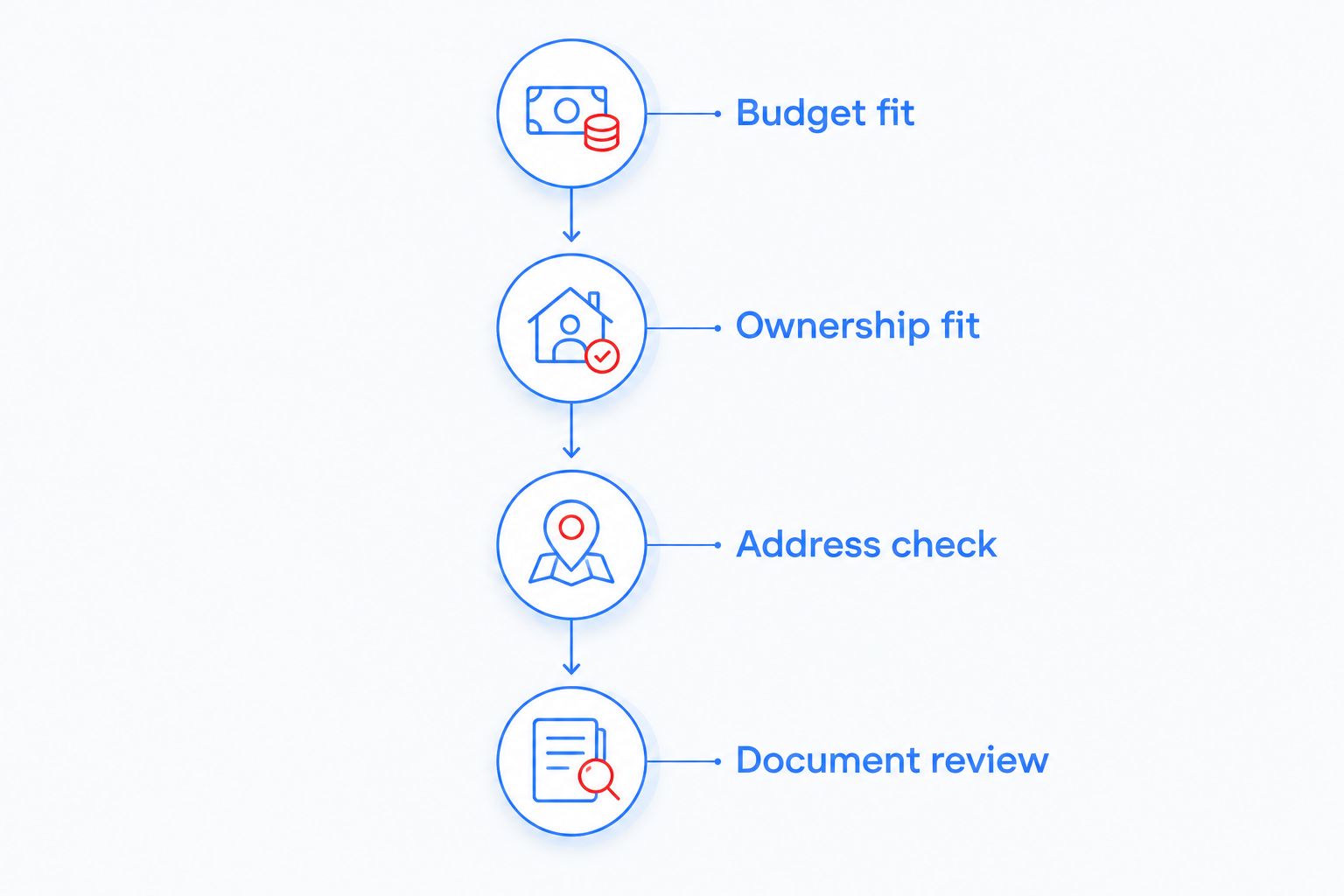
For a 2026 purchase, move through these checks in order:
- Budget fit: Establish total ownership obligations.
- Ownership fit: Confirm that the property type and rules suit your plans.
- Address check: Test the building, apartment, and commute.
- Document review: Resolve financial, inspection, and legal questions with the appropriate professionals.
Do not let a strong result at one stage erase a failure at another.
FAQ
What are the best affordable Queens neighborhoods for buyers in 2026?
Forest Hills, Rego Park, Briarwood, Kew Gardens, Jackson Heights, and Queens Village are useful neighborhoods to compare by purchase goal. Choose among them using the exact property’s total ownership obligations, condition, rules, and commute rather than assuming a neighborhood guarantees affordability.
Is Forest Hills the best starting point for a co-op buyer?
Forest Hills is this guide’s default starting point for a co-op search. Compare the apartment and the corporation together, including maintenance inclusions, approval requirements, financial statements, and alteration rules.
Is Briarwood more affordable than Forest Hills?
A neighborhood name does not establish which property is more affordable. Compare specific listings using equivalent space requirements and the same calculation of recurring ownership obligations.
Should I buy a co-op or a condo in Queens?
Choose the ownership structure whose financial obligations and rules fit your plans. Co-op purchases involve shares and a proprietary lease; condo purchases involve ownership of an individual unit, and both require document review.
What should I check before buying a Queens co-op?
Check approval requirements, maintenance inclusions, financial statements, assessments, and occupancy and alteration rules. Ask your attorney to review the building documents before you commit to obligations you do not understand.
Which Queens neighborhood should I consider for a house?
Queens Village is this guide’s house-focused search candidate. Evaluate the individual property’s condition, permitted use, maintenance needs, and commute rather than treating house ownership as automatically more affordable.
Can a Queens buyer planning to rent out a property use this shortlist?
Yes, but rental eligibility must be confirmed before the property becomes an investment candidate. Review building restrictions, lawful use, and applicable requirements; do not assume an apartment can be rented because you can purchase it.
One last thing
Ask what would disqualify the property before asking what makes it appealing. A financing restriction, unsuitable occupancy rule, unresolved repair issue, or unacceptable commute can end the decision faster than another tour.
Soldbymichaeljacobson serves buyers comparing Forest Hills and Queens homes, condos, and co-ops. Bring a shortlist of exact addresses and your non-negotiable requirements so the discussion stays focused on purchase decisions.