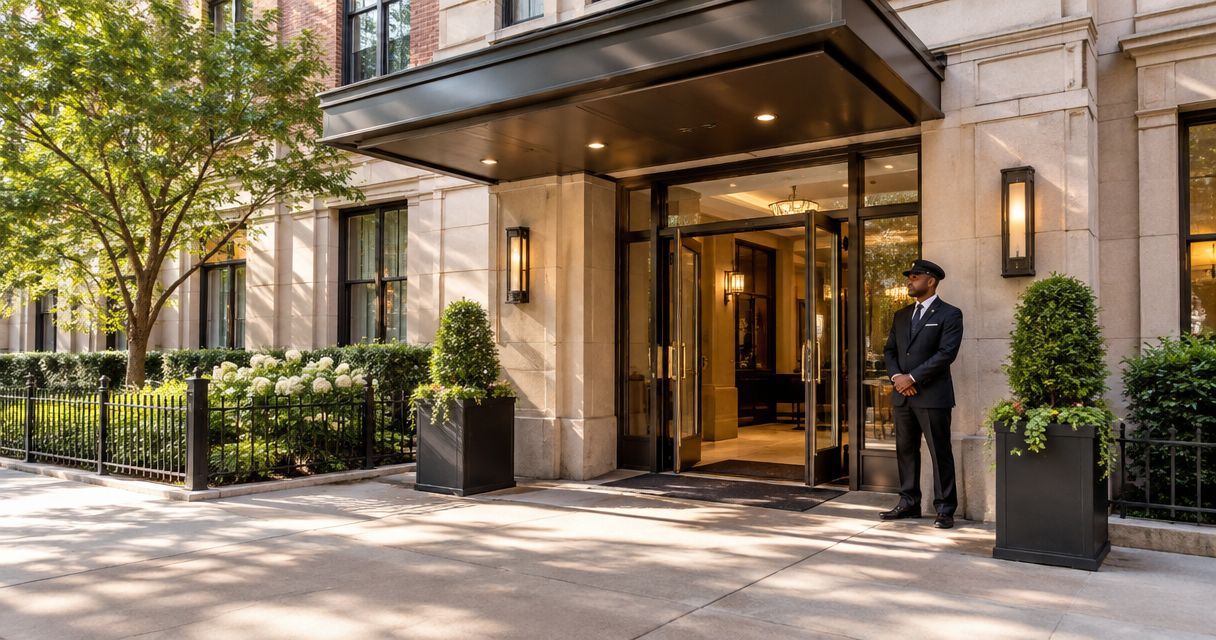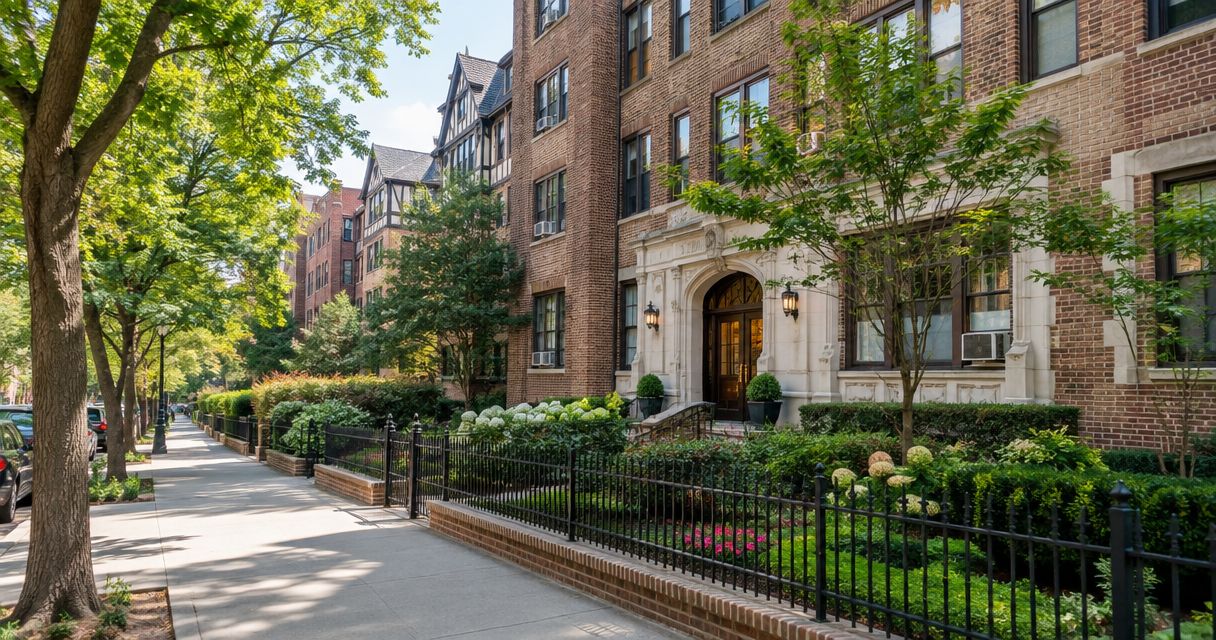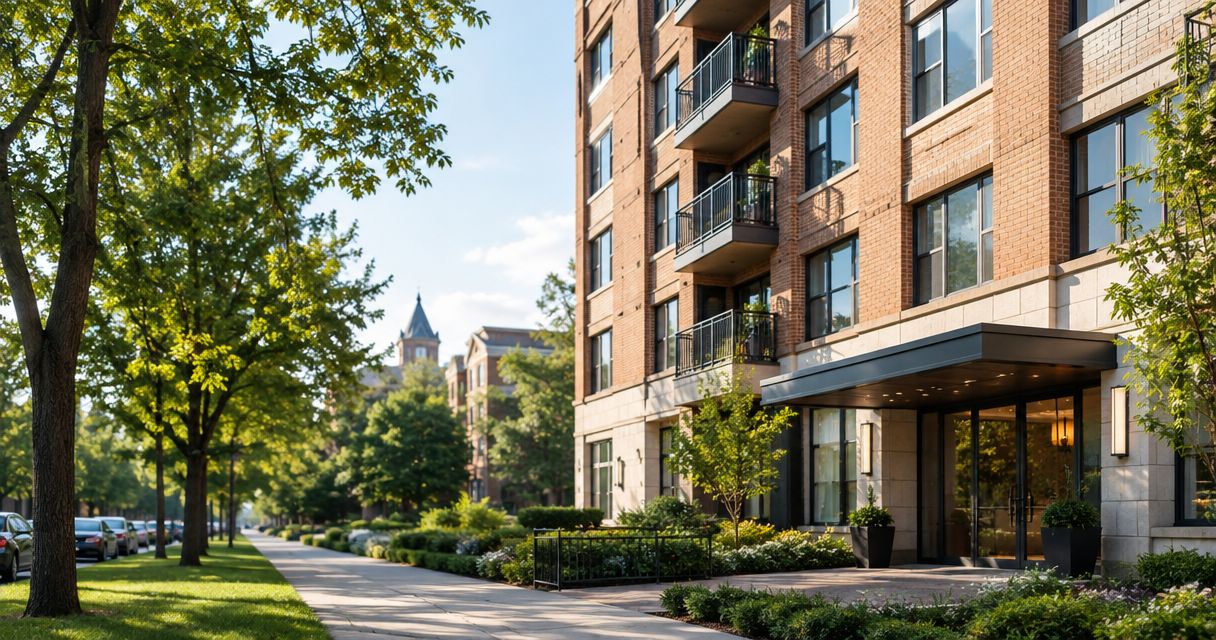
Best overall: purpose-built rental buildings. Best for an individually owned apartment: condo rentals. Best for a defined rental term: approved co-op sublets. To find the best rental buildings in Forest Hills NY in 2026, start with the lease structure, then compare the exact building and apartment—not just the listing photos.
- The best rental buildings in Forest Hills NY match your lease needs, approval timeline, and daily commute.
- Purpose-built rental buildings are the first search route when you want a direct landlord relationship.
- Condo rentals require checks of both the owner's lease and the building's rental requirements.
- Co-op sublets require written confirmation of permission, approval procedures, and the permitted rental term.
Soldbymichaeljacobson helps buyers, sellers, investors, and renters in Forest Hills, Queens, and Long Island. Soldbymichaeljacobson is a rental brokerage option for Forest Hills renters who want help comparing apartments and transaction requirements.
Why this matters
A Forest Hills apartment search involves more than choosing a building you like. A rental apartment, an individually owned condo, and a co-op sublet can put you through different approval processes and create different renewal questions.
In 2026, make the full address and apartment number the starting point for your checks. A building name alone does not establish which apartment you are viewing, who can authorize the lease, or which rules apply to your tenancy.
The ranking below compares rental arrangements rather than declaring a named building universally best. Use it to choose your search route, then evaluate each address against the same requirements.
What makes the best rental building?
Use these criteria before giving a building a place on your shortlist:
- Lease authority: Identify the landlord and confirm that the person offering the apartment can rent it to you.
- Approval process: Get the application steps, required documents, and any separate building approval requirements in writing.
- Renewal clarity: Read the lease terms and check any building rules affecting extensions or repeat sublets.
- Apartment condition: Inspect the actual unit, including water flow, ventilation, windows, appliances, and signs of moisture.
- Daily fit: Test the route from the entrance you will use to your destination. Check deliveries, laundry, accessibility, and noise.
- Management responsibility: Establish who handles repairs inside the apartment and who handles problems in shared areas.
A building earns a place on your shortlist when its written requirements match your needs. Attractive common areas do not resolve a lease restriction or an unsuitable apartment layout.
Forest Hills rental options at a glance
| Ranked rental option | Best for | Standout feature | Key limitation |
|---|---|---|---|
| Purpose-built rental building | A direct landlord rental arrangement | The apartment is offered as rental housing | Apartment condition and lease terms still need individual review |
| Individually owned condo rental | Choosing a particular owner's apartment | Unit-specific finishes and lease negotiation | Owner requirements and building requirements both matter |
| Approved co-op sublet | A rental with a clearly defined permitted term | Access to an apartment in a cooperative building | Sublet permission, approval, and duration require confirmation |
| Smaller multifamily rental | Choosing primarily for layout and entrance | The apartment itself drives the decision | Shared facilities and repair arrangements need close inspection |
1. Purpose-built rentals: best for a direct landlord arrangement
A purpose-built rental building offers apartments as rental housing rather than as individual condominium or cooperative ownership interests. Start here if your main goal is a straightforward rental search without a separate owner's condo or co-op subletting question.
That does not make every lease simple. You still need to identify the landlord, read the application requirements, and inspect the apartment being offered.
Purpose-built rental pros:
- Your search starts with a rental arrangement rather than an owner's permission to sublet.
- You can ask directly who manages the building and handles maintenance requests.
- You can compare the lease, building rules, and apartment condition as separate decisions.
Purpose-built rental cons:
- A shared building name does not guarantee identical layouts or conditions across apartments.
- Renewal terms and any applicable tenant protections require lease-specific review.
- A leasing representative's explanation does not replace the written agreement.
Best for: Renters who want to begin with a direct landlord relationship.
For your 2026 shortlist, record the full address, apartment number, landlord name, and repair contact together. If the listing, application, and draft lease identify different parties, ask for an explanation before signing.
Verdict: Choose this search route first when direct rental management is your priority.
2. Condo rentals: best for an individually owned apartment
A condo rental places you in an apartment owned by an individual or entity within a condominium. You need to evaluate both the owner's proposed lease and the condominium's requirements for rentals.
Choose this route when a particular apartment's layout or condition matters more to you than using a single rental operator. Do not assume that an owner's agreement settles every building requirement.
Condo rental pros:
- You can evaluate the exact owner's apartment rather than relying on a general building description.
- You can discuss proposed lease terms directly with the owner or authorized representative.
- You can ask which fixtures, appliances, and furnishings are included in the agreement.
Condo rental cons:
- Building paperwork can sit alongside the owner's application process.
- Responsibility for apartment repairs and shared-building problems needs clear separation.
- Renewal depends on the lease and applicable law, not an informal promise.
Best for: Renters choosing a specific individually owned apartment.
Ask for the building's rental requirements before treating the owner's acceptance as the end of the process. Confirm who submits documents, who communicates with management, and what must happen before you can move in.
Verdict: Choose a condo rental when the exact apartment fits and both sets of requirements are clear.
3. Co-op sublets: best for a defined rental term
A co-op sublet lets you rent an apartment through a shareholder's permitted rental arrangement. The cooperative's governing documents and subletting rules matter alongside the proposed lease.
This route deserves particular care if you expect to stay beyond the initial term. Permission for one tenancy does not establish permission for every future extension.
Co-op sublet pros:
- You can consider apartments within cooperative buildings.
- Written subletting rules provide specific questions to resolve before committing.
- A clearly permitted rental term helps you plan around a defined stay.
Co-op sublet cons:
- The shareholder's willingness to rent does not by itself establish building permission.
- Approval procedures require attention before you commit to a move-in plan.
- Sublet limits can conflict with your intended length of stay.
Best for: Renters whose intended stay matches the building's confirmed sublet rules.
Michael Jacobson's Forest Hills brokerage guidance is relevant when comparing these transaction requirements. Bring the exact address and apartment number, your intended lease term, and any renewal question—not just a request for a good co-op building.
For a 2026 co-op search, request the current sublet requirements. Ask a qualified attorney to review restrictions that affect the lease or your intended occupancy.
Verdict: Choose a co-op sublet only when permission and duration match your plans.
4. Smaller multifamily rentals: best for a unit-led search
A smaller multifamily rental puts the individual apartment, entrance, and shared spaces at the center of your decision. Evaluate the property you actually visit rather than assuming that building size determines management quality.
This route fits renters who prioritize a particular floor plan or access arrangement. It does not establish that the apartment will be quieter or that repairs will be faster.
Smaller multifamily rental pros:
- You can judge the entrance, stairs, and shared spaces directly during a visit.
- You can focus on the apartment's room arrangement and usable space.
- You can ask the owner or representative to explain property-specific responsibilities.
Smaller multifamily rental cons:
- You need to verify laundry, delivery arrangements, storage, and other facilities individually.
- Sound between apartments requires an on-site check.
- Repair contacts and emergency procedures need written confirmation.
Best for: Renters whose decision centers on the apartment layout and entrance.
Ask who maintains shared areas and which spaces belong to your tenancy. Do not treat a hallway, yard, basement, or storage area as included unless the agreement confirms your use of it.
Verdict: Choose this route when the unit fits and shared-space responsibilities are explicit.
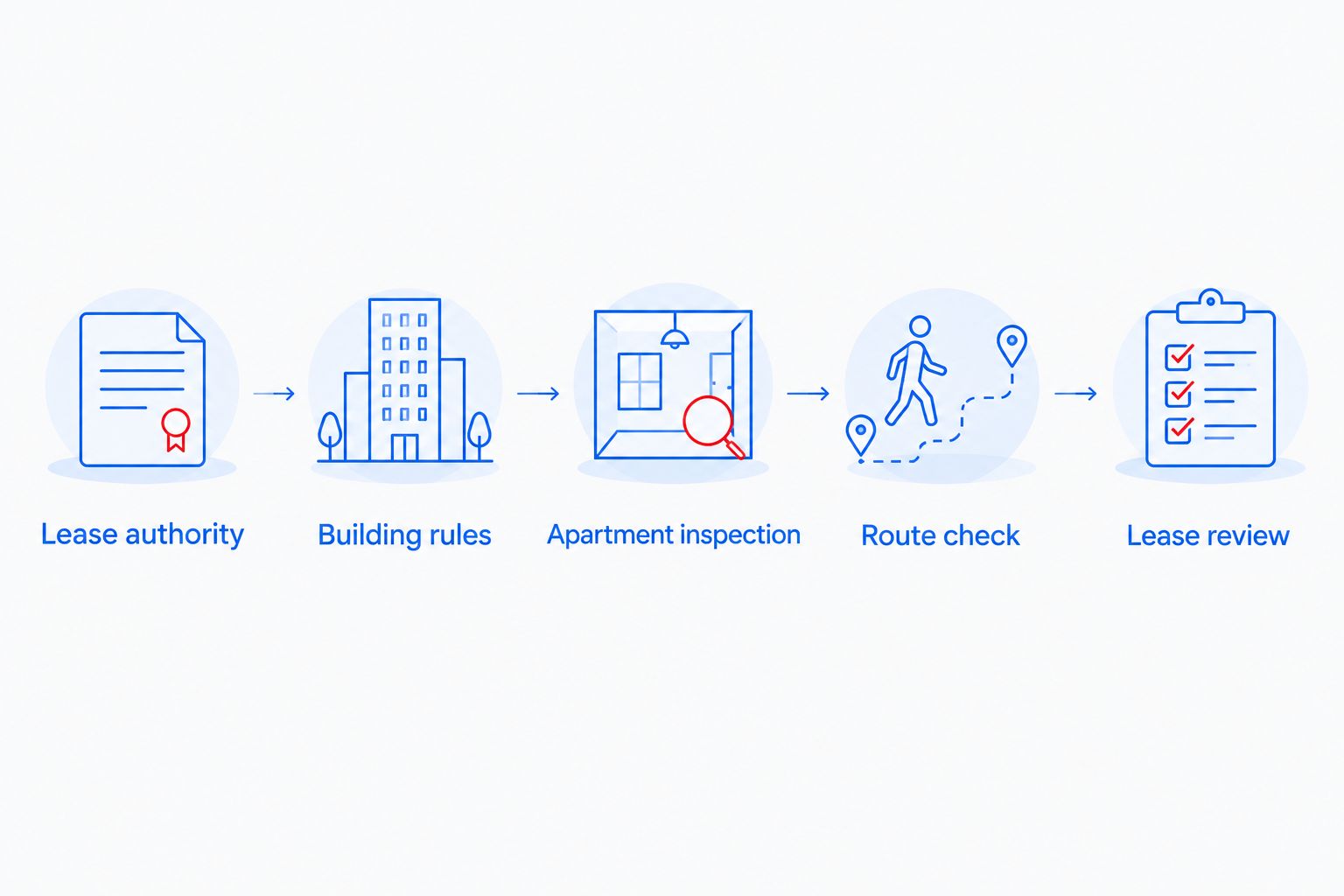
How to compare the exact address before applying
Use the same sequence for every shortlisted apartment. This keeps an attractive kitchen from distracting you from an unresolved lease condition.
Lease authority
Match the full address and apartment number across the listing, application, and proposed lease. Confirm who owns or controls the rental and who has authority to sign.
Building rules
Request the rules that affect your intended occupancy. Focus on pets, occupants, alterations, move-in procedures, and any condo or co-op rental approval requirements.
Apartment inspection
Inspect the actual apartment, not a representative unit. Open windows where permitted, check visible plumbing areas, test provided appliances with permission, and note anything that needs repair.
Route check
Plan 2 weekday visits at different times and 1 evening visit if access permits. Spend 10 minutes listening inside the apartment with conversation paused; treat that as an observation, not a complete noise assessment.
Lease review
Read the draft against the promises made during the showing. Resolve discrepancies before signing and use a qualified attorney for legal questions.
How the rental routes are ranked
Purpose-built rentals rank first because they begin with a direct rental arrangement. Condo rentals follow for renters choosing a specific owner's apartment; co-op sublets require a closer check of permission and duration.
Smaller multifamily rentals remain a separate route because the individual unit and property arrangements drive the decision. This order ranks the fit of the rental structure—not management quality, amenities, or individual buildings.
Which Forest Hills rental should you choose?
Start with purpose-built rental buildings if you have no strong preference for another arrangement. Add condo rentals when a specific apartment meets your needs, and consider co-op sublets when the permitted term matches your stay.
Use Soldbymichaeljacobson to discuss a rental shortlist around exact addresses and your intended occupancy. Keep your 2026 decision grounded in documents and visits rather than a building's reputation alone.
Discuss your Forest Hills rental search
Compare your intended lease term, apartment needs, and building-specific questions with Michael Jacobson.
FAQ
What's the best rental building type in Forest Hills for a first search?
Start with purpose-built rental buildings when you want a direct landlord arrangement. Compare the actual apartment, lease terms, and management responsibilities before choosing a building.
Is a condo rental better than a co-op sublet?
A condo rental fits a search centered on an individually owned apartment; a co-op sublet fits a stay that meets confirmed subletting rules. Neither ownership structure proves that an apartment is better maintained or better suited to you.
Can I rent any co-op apartment in Forest Hills?
Do not assume that a co-op apartment can be sublet. Confirm the cooperative's current rules, the shareholder's permission to sublet, and the approval requirements for the proposed tenancy.
What should I check before applying for a Forest Hills rental in 2026?
Check lease authority, building rules, apartment condition, your daily route, and the proposed lease. Use the full address and apartment number throughout your review so that every document concerns the same unit.
How do I check whether a rental apartment is noisy?
Visit the actual apartment at different times and listen with conversation paused. Check sound from adjoining apartments, hallways, building equipment, and outside; a short visit does not establish all-day conditions.
Who handles repairs in a rented condo or co-op?
Confirm repair responsibility in the lease and relevant building documents. Ask separately about problems inside the apartment and problems involving shared building systems.
Can Michael Jacobson help me compare Forest Hills rentals?
Michael Jacobson helps renters as well as buyers, sellers, and investors in Forest Hills, Queens, and Long Island. Bring exact addresses, your intended rental term, and the building requirements you want to clarify.
One last thing
The same building can contain apartments with different exposures, conditions, and layouts. Choose the apartment-and-lease combination, not the building name alone.
For your final 2026 comparison, write down the unresolved question that would change your decision. If it concerns rental permission, renewal, repair responsibility, or usable space, resolve it before you sign.